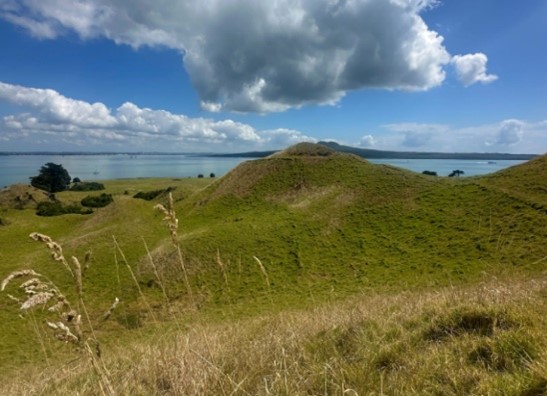
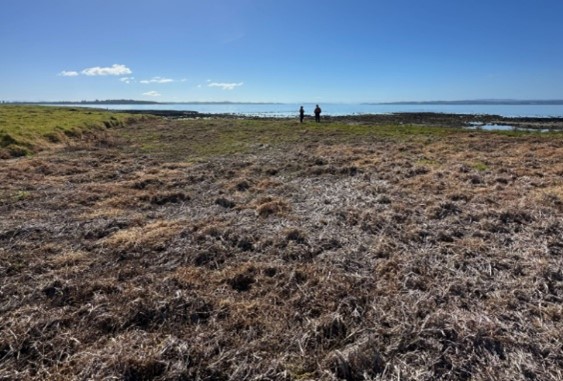
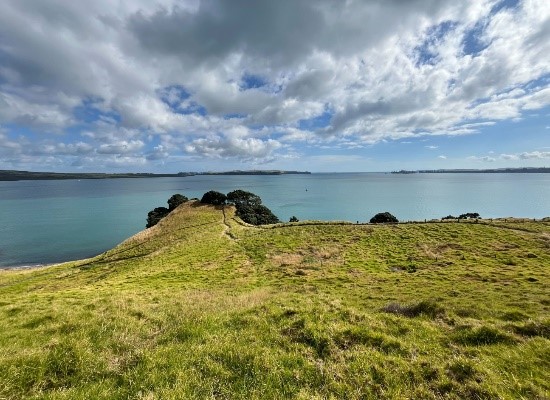
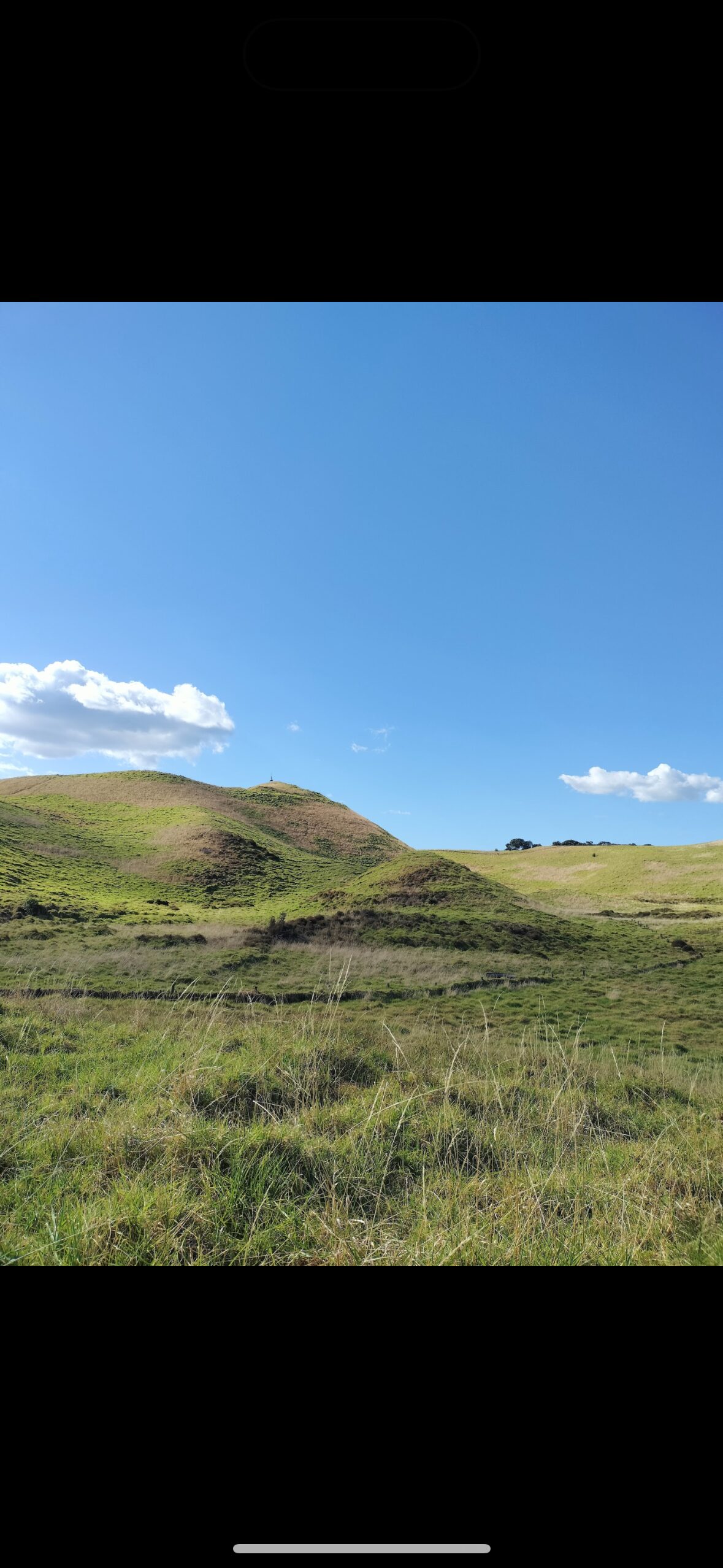
Te Ngahere has been engaged to deliver full-island ecological restoration on a remote and uninhabited island within the Hauraki Gulf. The project aims to restore the island’s remaining native bush to a healthy, self-sustaining state through systematic weed control, natural regeneration, and long-term protection of its unique coastal ecosystems.
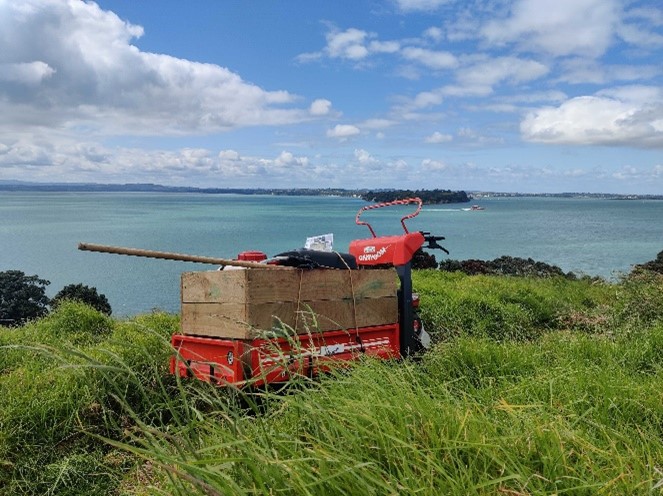
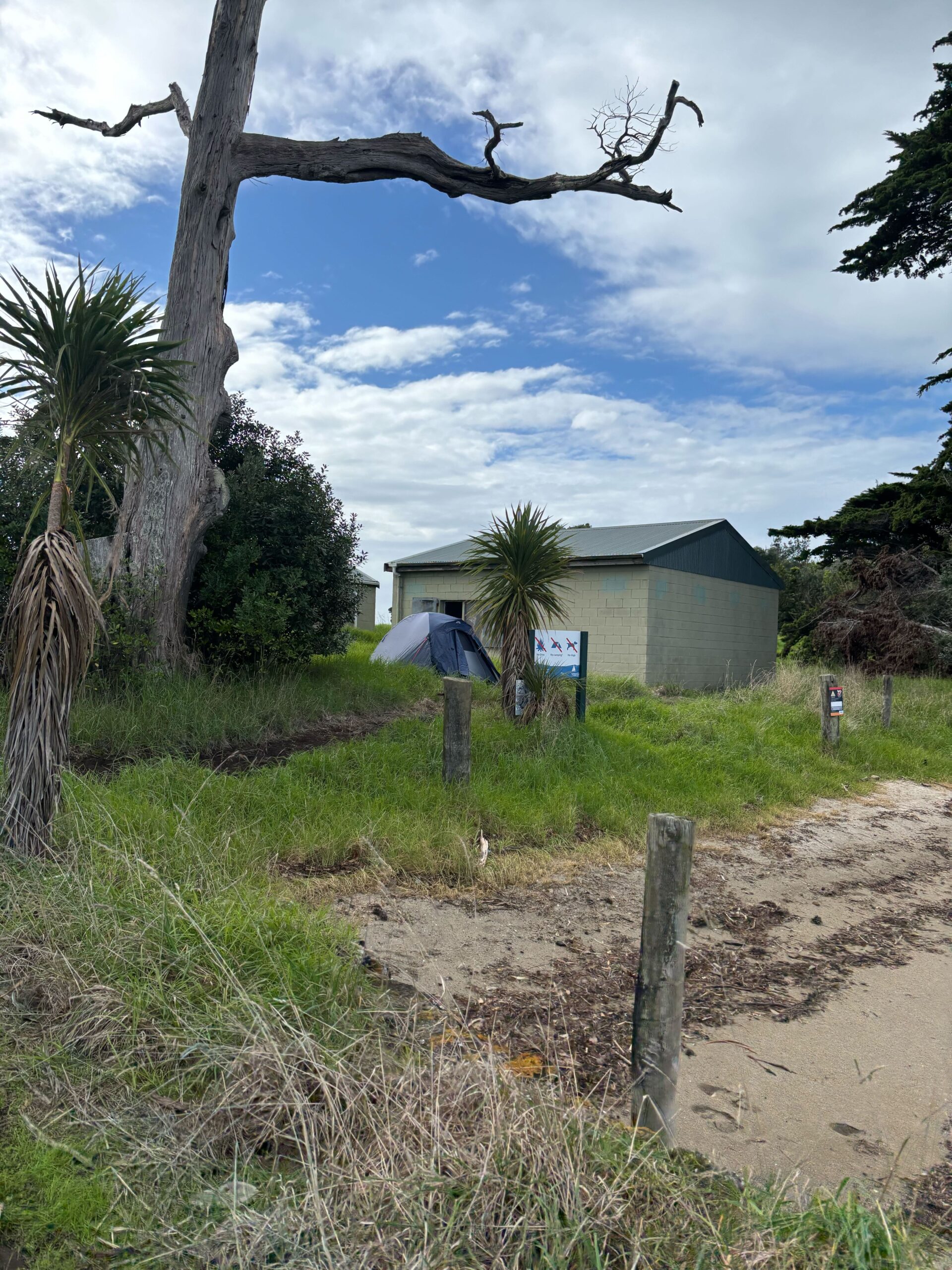
Due to the island’s isolation, all aspects of the operation — transport, logistics, accommodation, food, water, fuel, and equipment — are entirely self-supplied. Our field teams travel by boat and remain on the island for the duration of each work week, living in basic conditions to enable consistent and efficient progress across the entire site. This self-sufficient approach requires detailed planning, coordination, and resilience, ensuring all work can continue safely and effectively in a challenging environment far from mainland support.
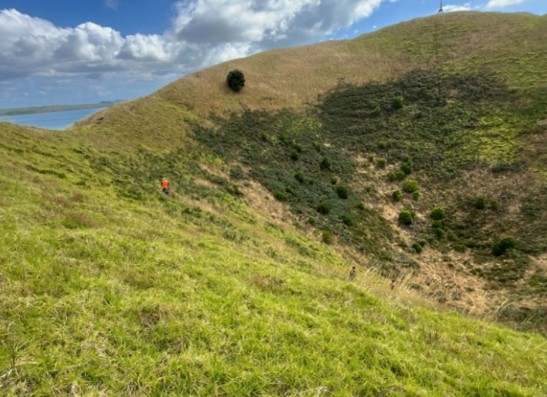
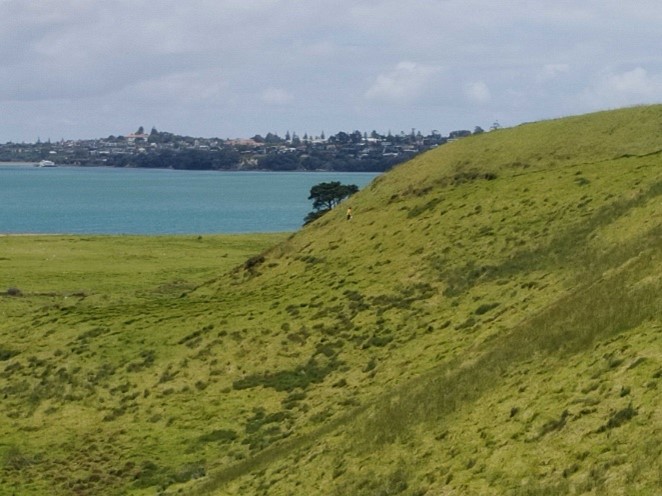
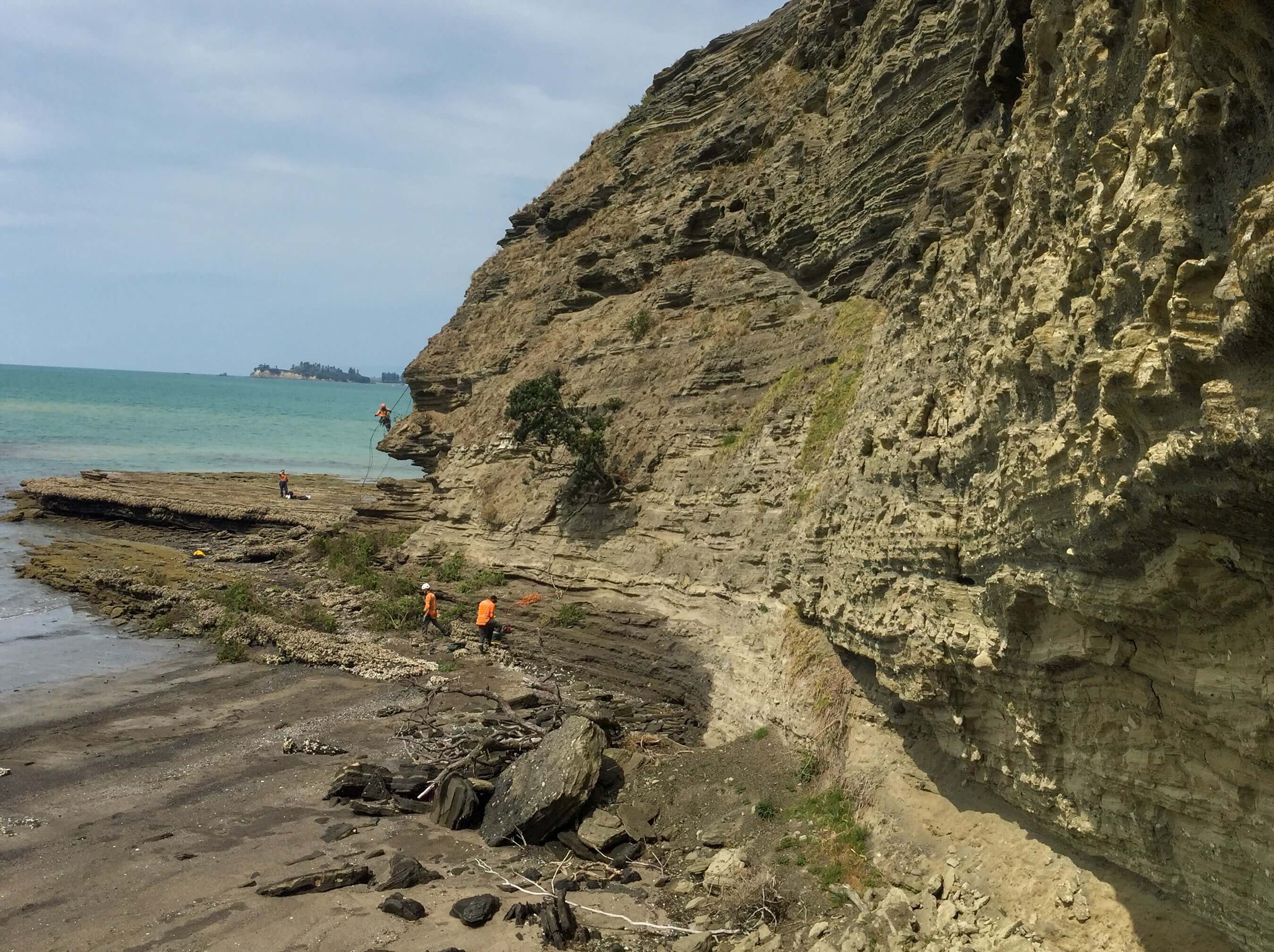
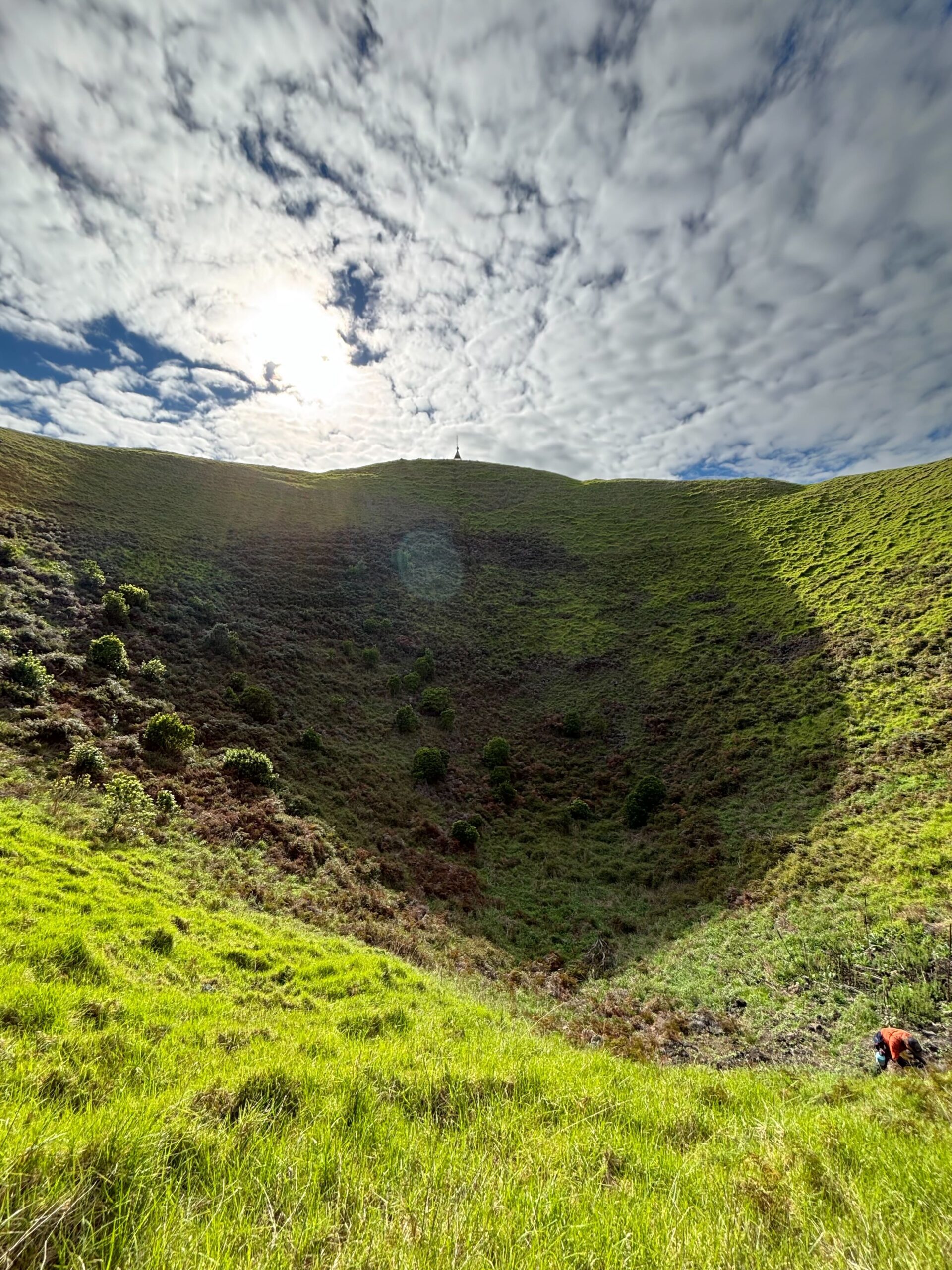
The terrain is varied and often steep, with extensive coastal cliffs, regenerating forest, and exposed slopes. Te Ngahere’s experienced staff work alongside specialist abseilers to access the most difficult and hazardous areas, ensuring comprehensive coverage and control. Within the work area lies Euphorbia glauca (shore spurge), a threatened native species. Extreme care is taken to identify and protect these plants, with herbicide use carefully managed to avoid any adverse effects.
This project reflects Te Ngahere’s wider vision — to restore and protect Aotearoa’s native ecosystems using best-practice methods, minimal-toxicity herbicides, and a strong focus on ecosystem health and species protection.