Te Ngahere provides specialist services in the detection, management, and eradication of aquatic pest plants across the North Island. These highly invasive species can quickly dominate freshwater environments, displacing native vegetation, degrading habitat, and impeding water flow.
Edwin is a Registered Chemical Applicator with an Aquatic Strand and has extensive experience in both surveillance and control, our team works safely and effectively in challenging aquatic habitats. Using a combination of manual and agrichemical techniques, we deliver precise, compliant outcomes for our partners, including Auckland Council and national biosecurity agencies.
Two key examples of our aquatic pest control work are outlined below.
Salvinia is a highly invasive floating fern capable of rapidly covering still and slow-moving freshwater habitats. Dense infestations displace native vegetation, reduce water quality, degrade aquatic habitat, and impede water movement. As the plant spreads easily through small vegetative fragments, successful management relies on thorough surveillance, careful handling, and ongoing follow-up.
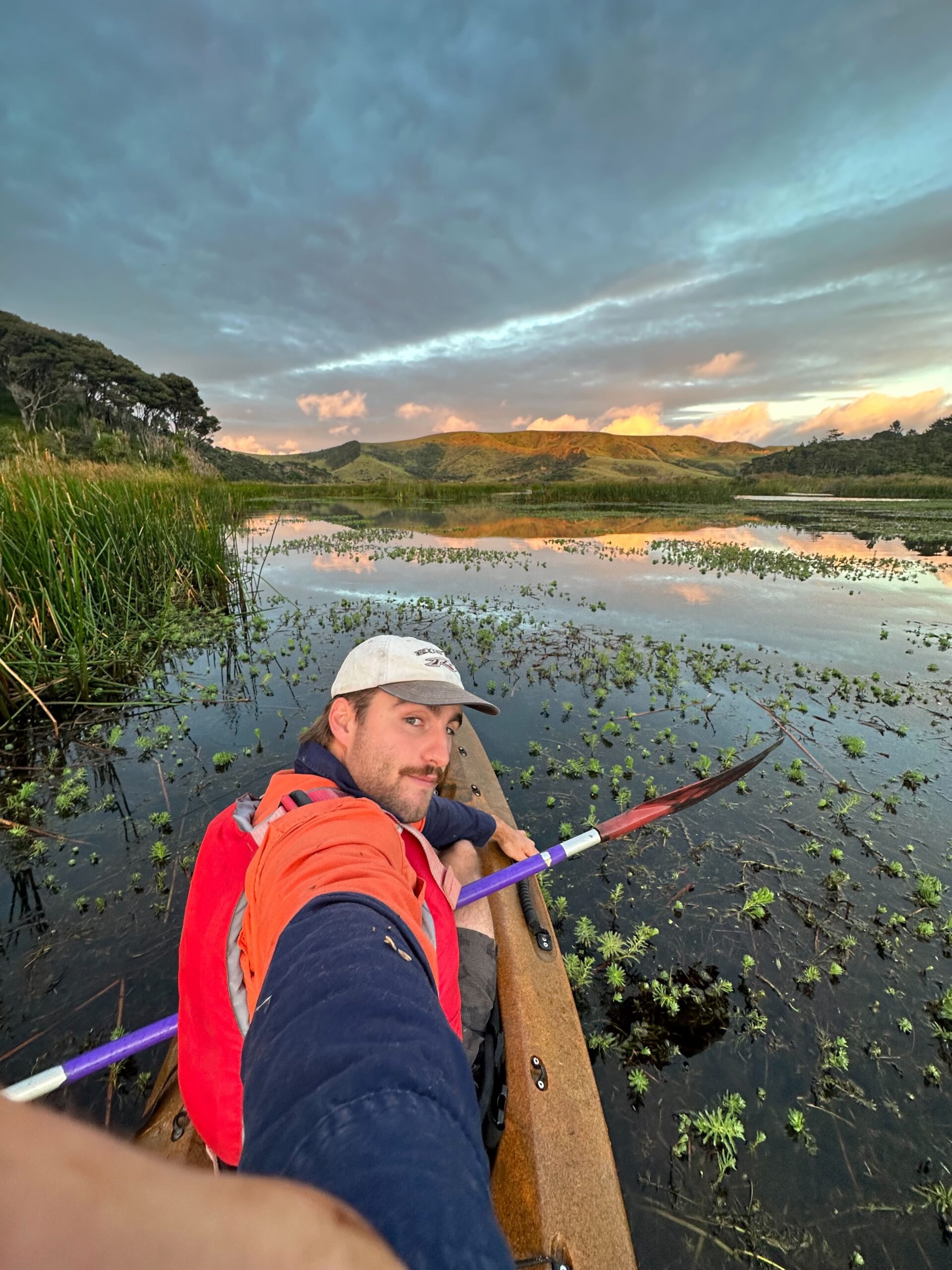
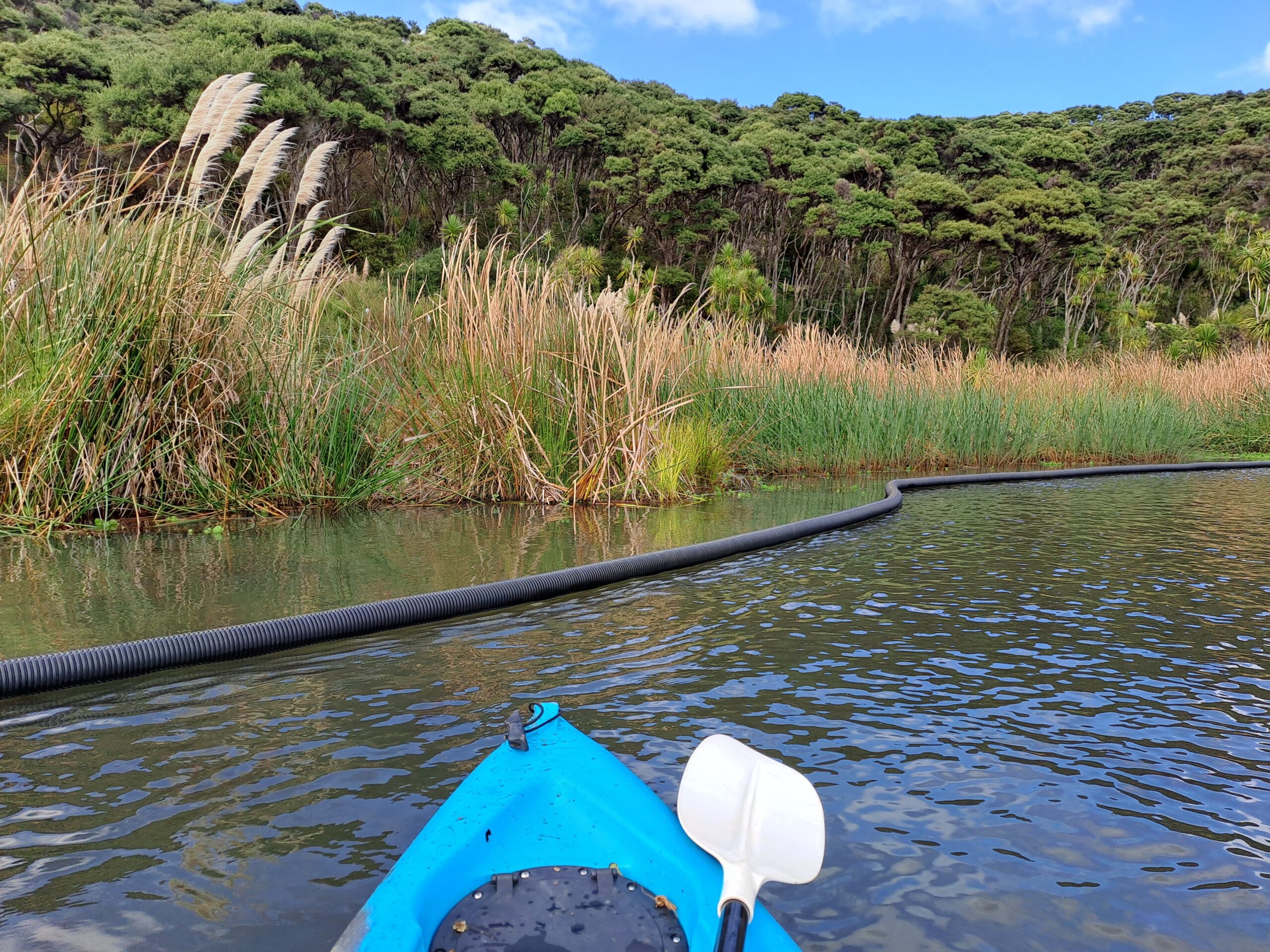
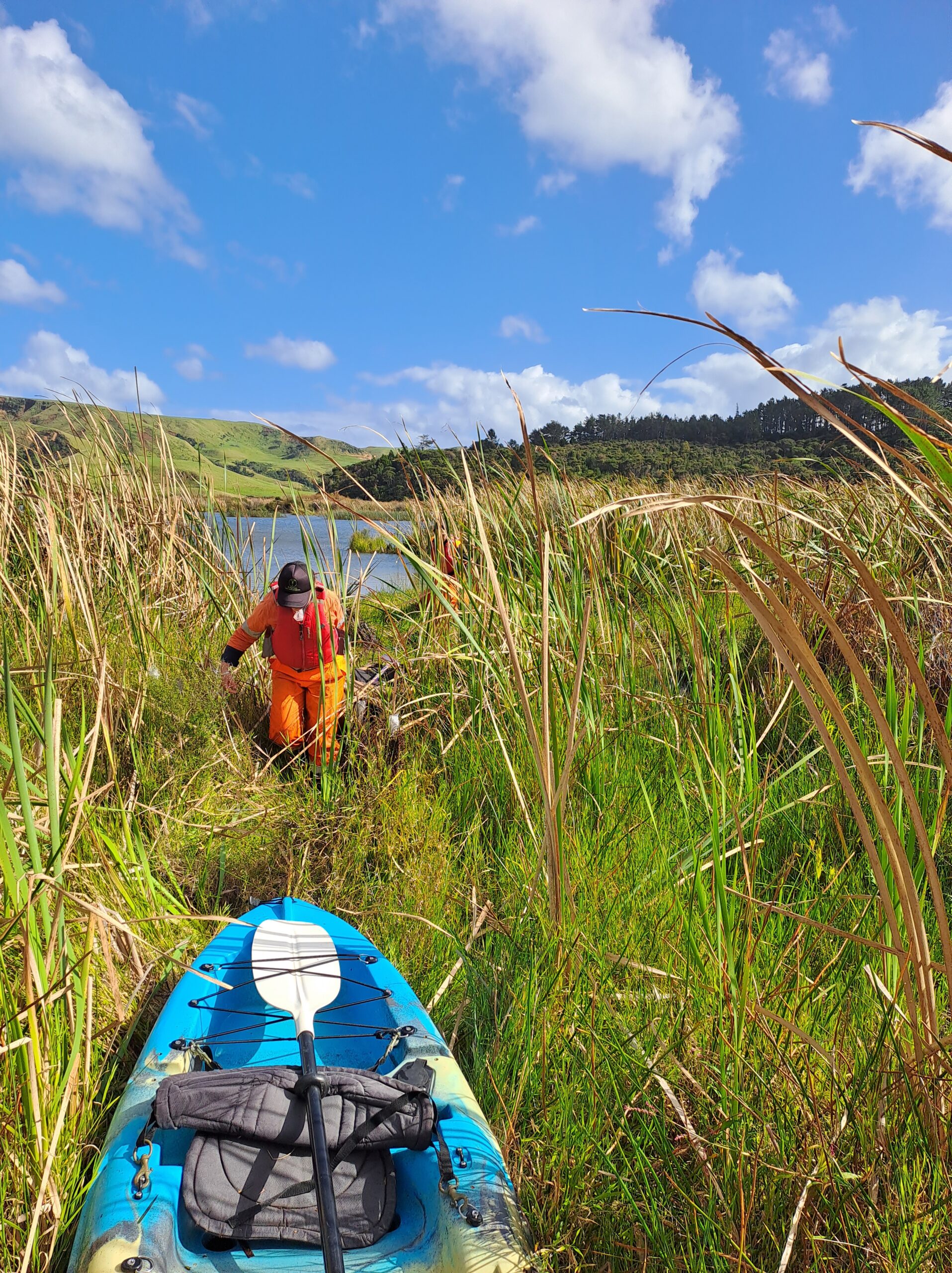
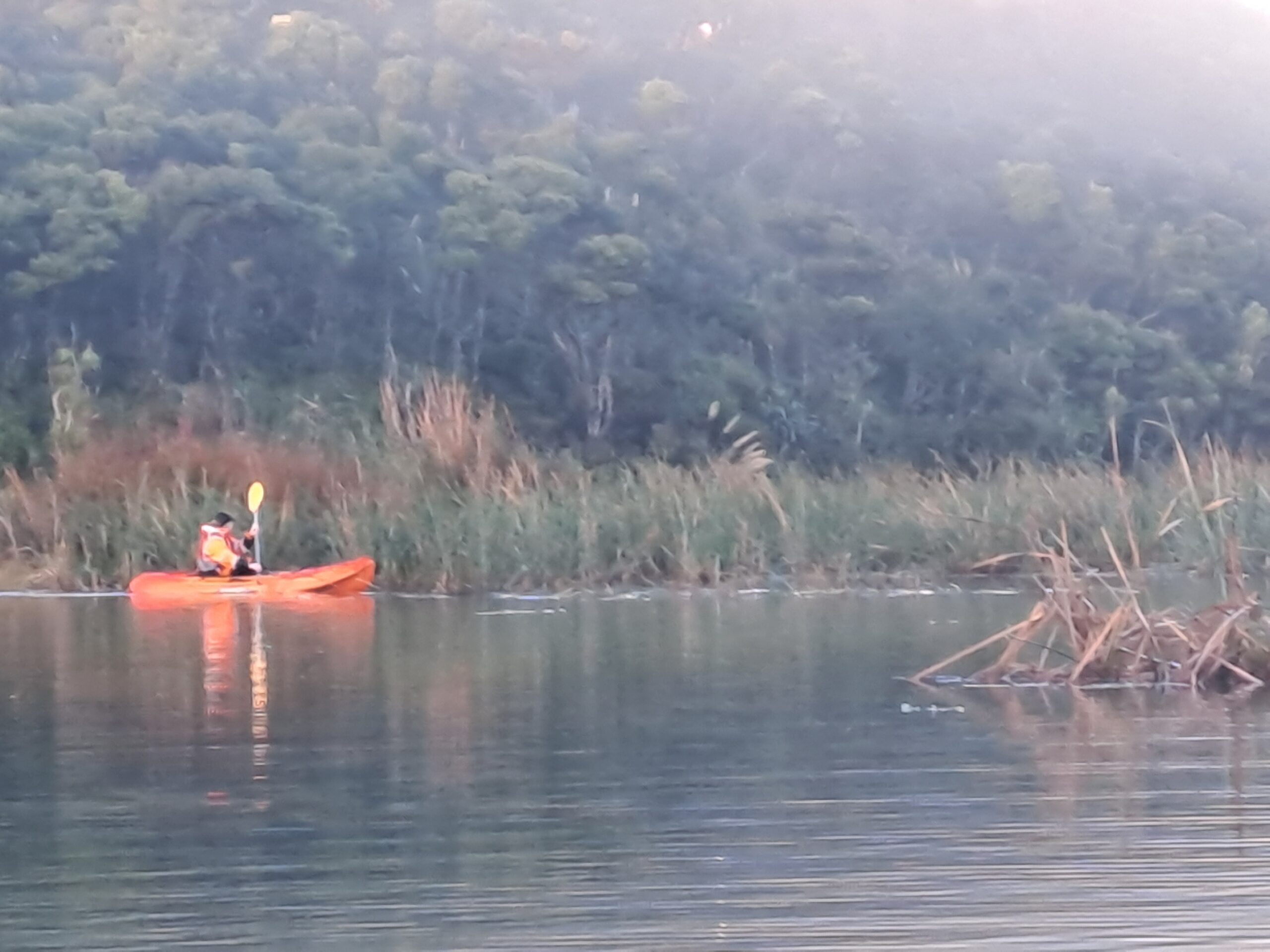
Te Ngahere has extensive experience undertaking Salvinia surveillance and control across a number of sites throughout the North Island, including long-term involvement at high-value wetlands and freshwater ecosystems. Our teams are experienced in systematically searching waterways by foot and kayak, working through dense vegetation, varying water depths, and difficult terrain to locate and remove even small infestations.
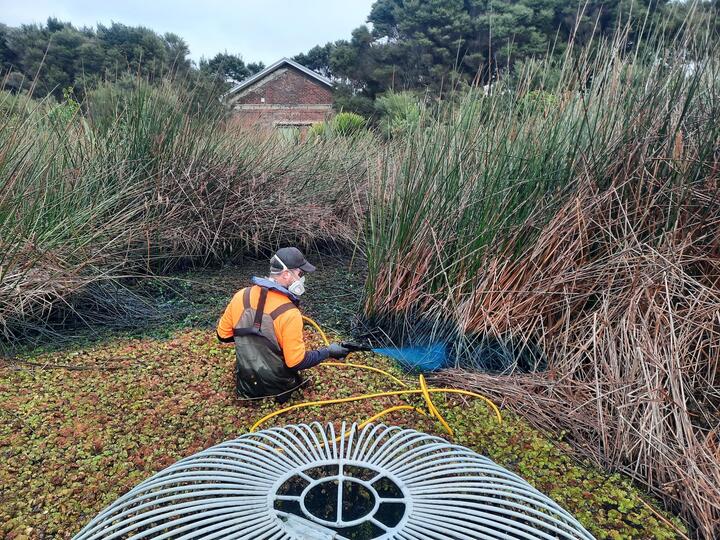
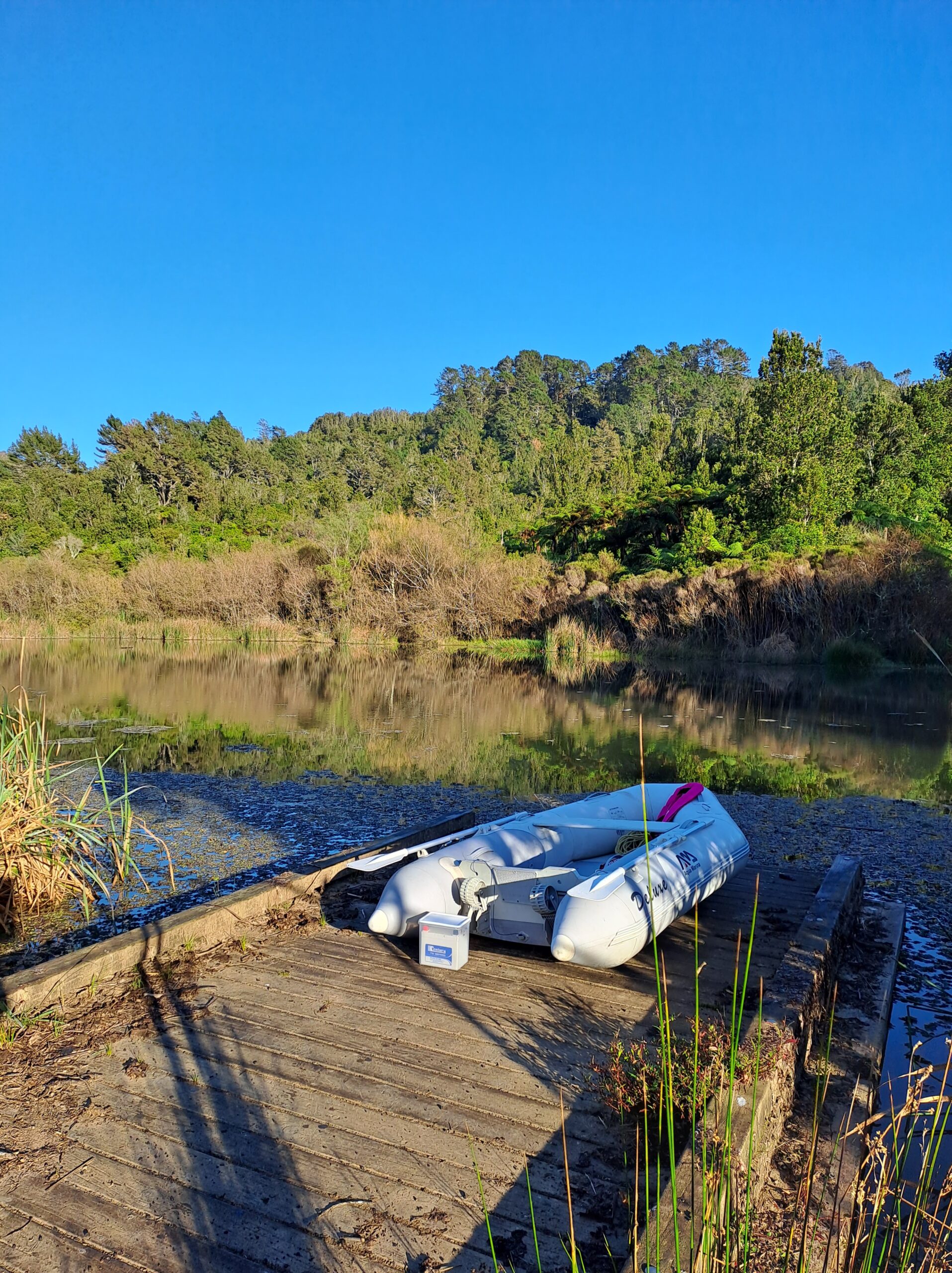
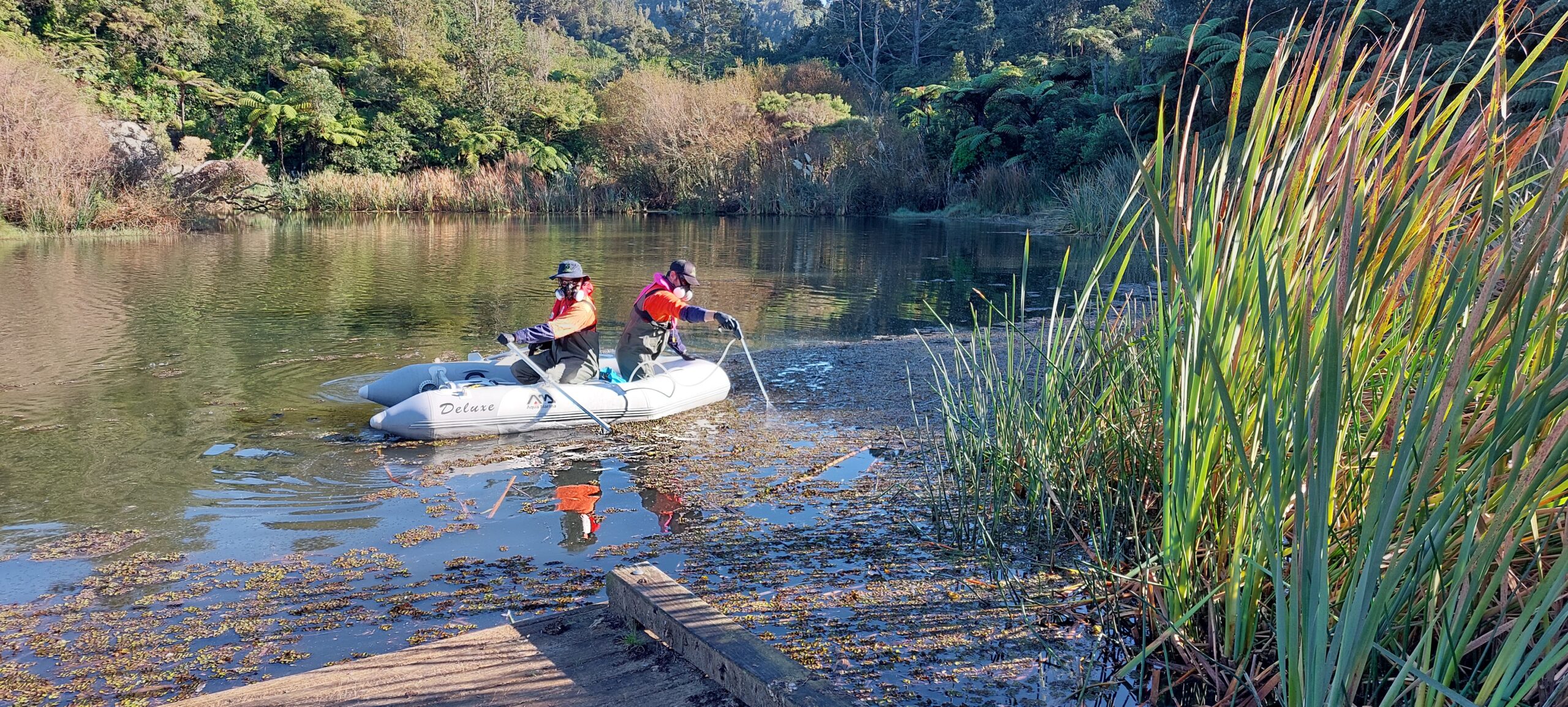
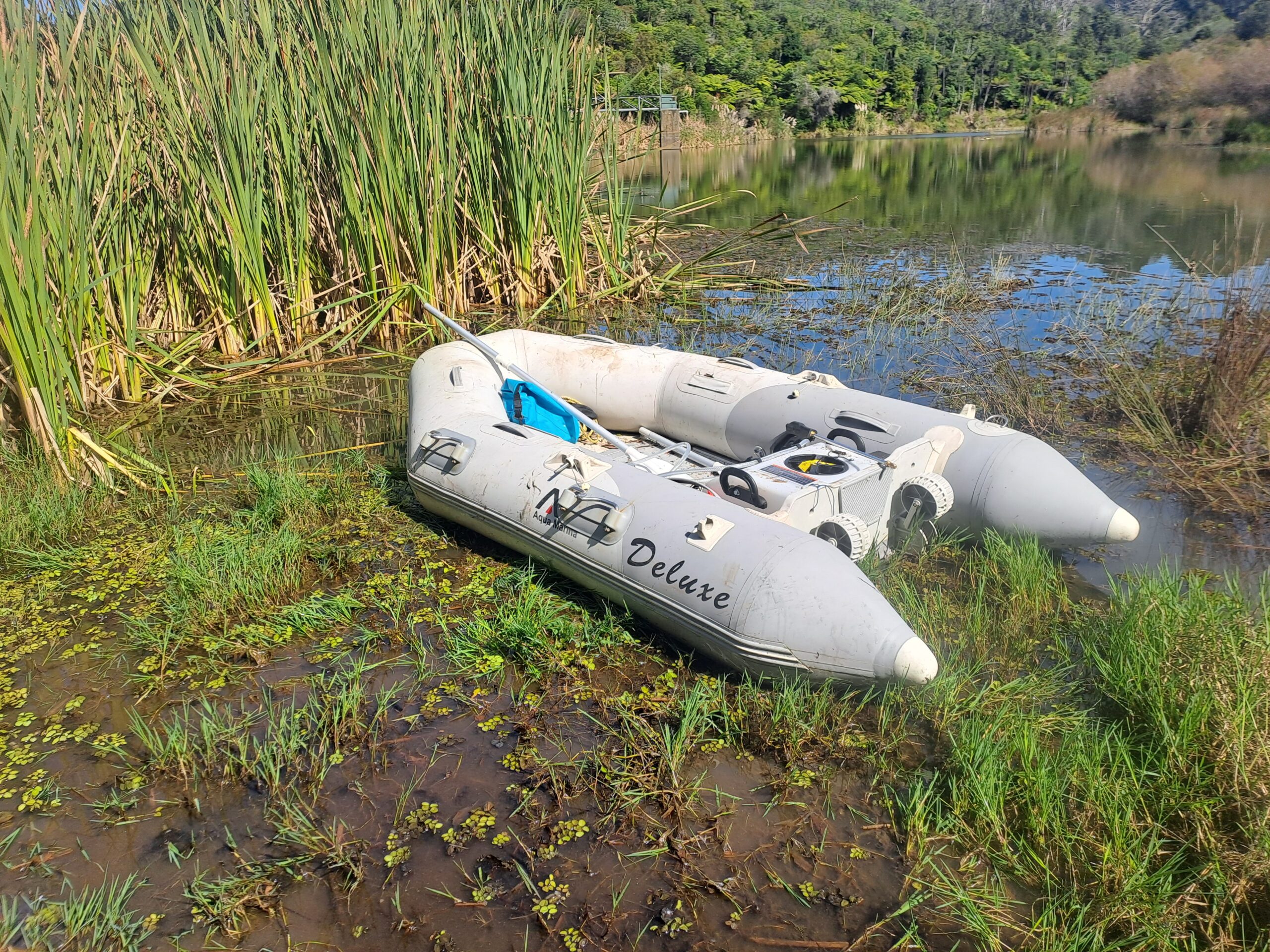
In addition to manual surveillance and removal, we regularly undertake aquatic herbicide application using motorised spray units from boats, as well as wading-based spraying where access allows. Our operators are experienced in applying herbicides safely and accurately within sensitive aquatic environments, ensuring effective control while minimising impacts on surrounding native ecosystems.
All infestations are carefully managed, with material securely contained and disposed of appropriately, and treatment locations accurately GPS recorded to support ongoing monitoring and eradication programmes. Our combination of practical field experience, specialised aquatic spraying capability, and strong biosecurity practices enables us to deliver effective and reliable Salvinia control across a wide range of freshwater environments.
Water hyacinth is considered one of the world’s worst aquatic weeds. This free-floating plant can double its biomass in days, forming thick mats that smother waterways, block drainage, and deplete oxygen and sunlight. It spreads via seeds and vegetative fragmentation, making even small remnants a long-term threat.
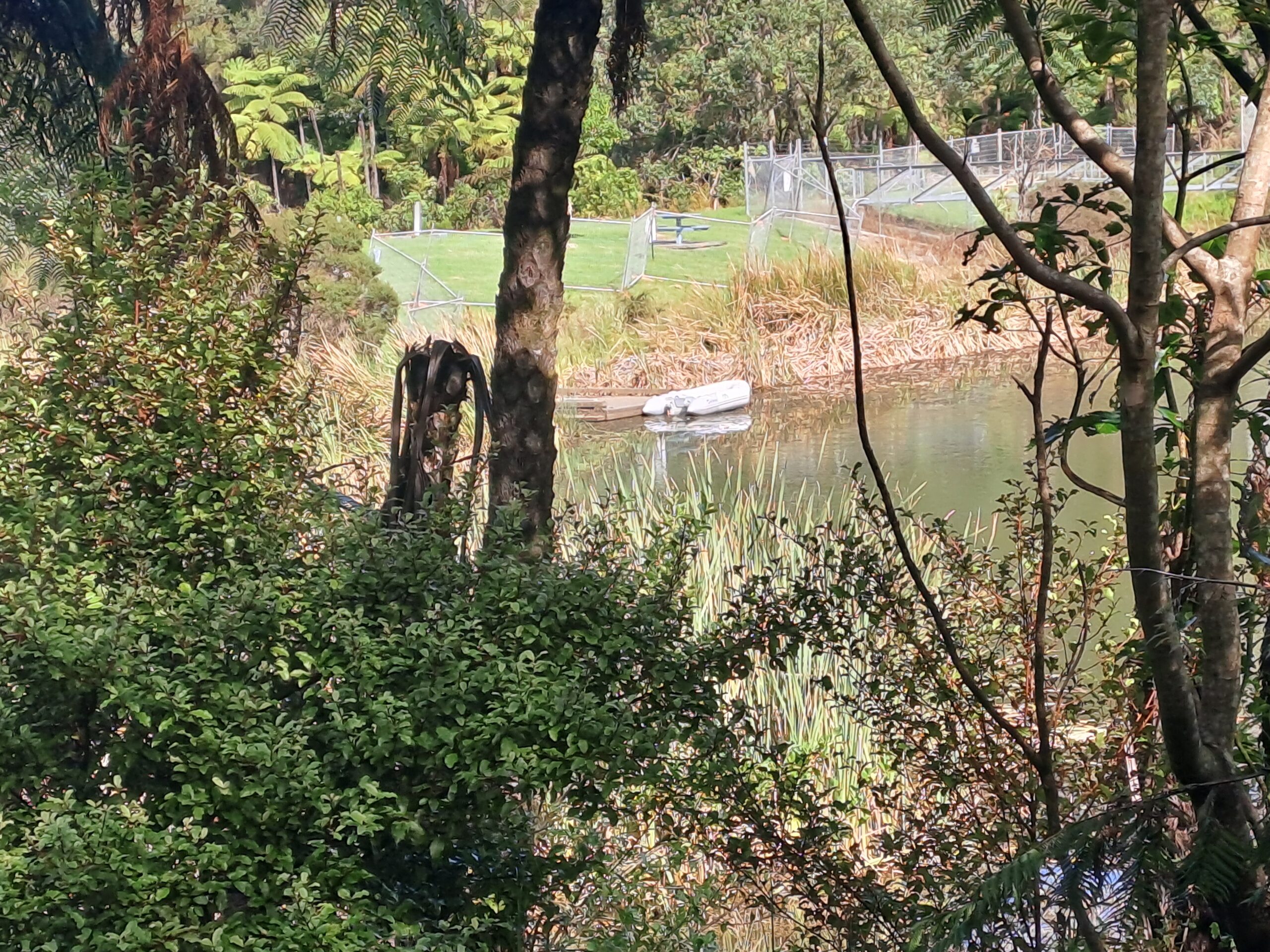
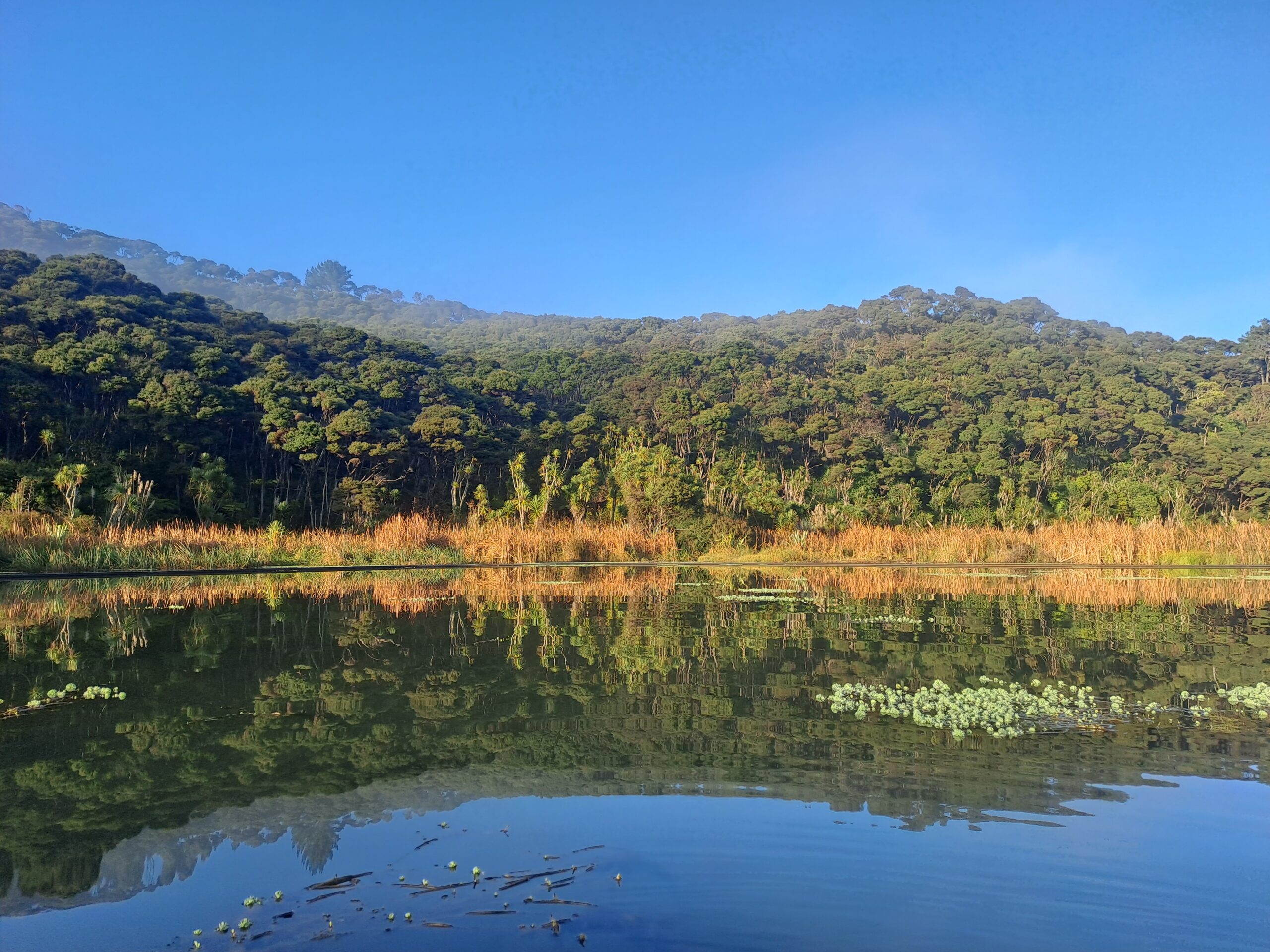
Our team has assisted with Water Hyacinth detection and response at several high-risk freshwater sites across the Auckland region. These projects often involve surveying remote ponds, stormwater detention basins, and slow-flowing creeks where the plant can establish unnoticed.
We apply both manual and agrichemical control methodologies while following strict containment and hygiene protocols to prevent cross-site contamination. Our deep understanding of aquatic weed biology—and the seasonal dynamics of these ecosystems—enables us to deliver careful, science-based support for ongoing surveillance and removal work.